


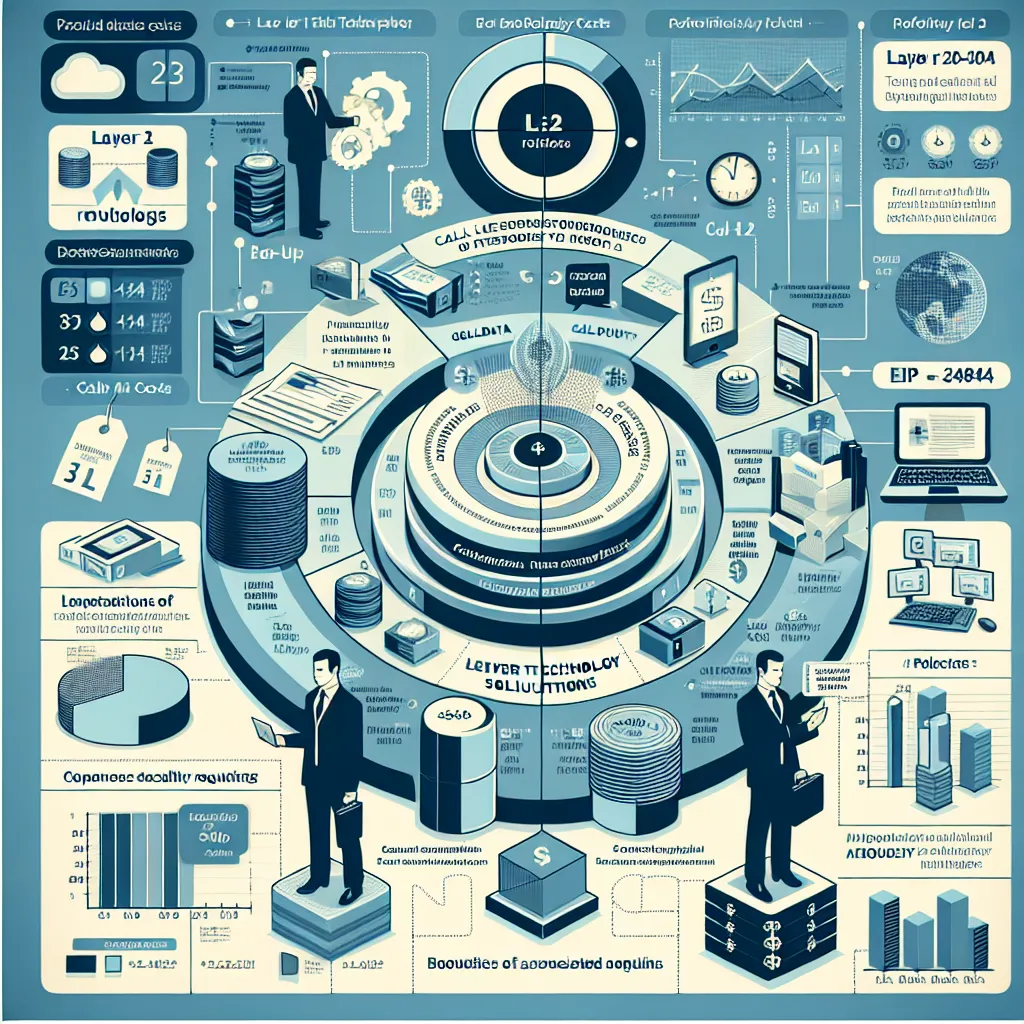
Economic Analysis of Layer 2 Solutions | Understanding…
The rapid adoption of Layer 2 solutions (L2s) in the blockchain ecosystem has significantly transformed how we approach scalability and transaction efficiency. However, the surge in L2s necessitates an in-depth understanding of their profitability and the distinctive data requirements that they bring. This article aims to shed light on critical considerations, including calldata costs, Layer 1 (L1) security fees, and the dynamics of EIP-4844, which are pivotal for both the economic feasibility and technical design of Layer 2 solutions.
Understanding Calldata Costs in L2s
What are Calldata Costs?
Calldata consists of the data that is sent from L2 to L1, incurring costs based on Ethereum’s current fee structure. As more transactions move to L2, understanding these costs becomes vital for designing economically viable rollup solutions.
Why Calldata Costs Matter
Calldata costs play a crucial role in the profitability of L2 networks. High calldata expenses can erode the cost-saving benefits of using L2s and affect their attractiveness to users and developers. Our focus is to develop comprehensive tooling to provide data on these costs and give an accurate picture of the cost burdens borne by L2 networks.
The Fee that L2 Networks Pay for L1 Security
Fundamental Role of L1 Security
Layer 2 networks depend on Layer 1 for security, and they must pay fees to leverage this security. These fees vary and represent a significant economic factor that impacts the competitiveness of different L2 solutions.
Balancing Costs and Security
Paying higher security fees ensures robust protection but at the expense of profitability. Understanding these fees helps L2 networks design competitive gas markets and ensures consumers are making informed choices about the architecture they rely on.
The Dynamics of EIP-4844 and Blob Space
What is EIP-4844?
EIP-4844, also known as “PBS” (proto-danksharding), proposes a new transaction type that reduces the gas costs for offchain data. This transaction type plays a pivotal role in optimally using Ethereum’s data blob space.
Predicting EIP-4844's Impact
By analyzing the data requirements and expected usage patterns of L2 solutions, particularly focusing on the top five rollups by Total Value Locked (TVL), we can predict how EIP-4844 will reshape the economics of calldata and blob space.
Historical Analysis and Future Predictions
Historical Cost Computations
Assuming that rollups have been using EIP-4844 from their inception, we can compute the historical costs associated with their data posting strategies. These computations provide a retrospective view, offering valuable insights into how the adoption of EIP-4844 could have influenced past market dynamics.
Market Dynamics of 4844
We aim to predict the future behavior of the 4844 market based on the current and expected usage of rollups. Accurate predictions can aid in better planning and resource allocation for blockchain businesses and developers.
Proposing a Benchmarking Standard for Computational Capacity
EVM vs. Non-EVM Chains
A standard for comparing and benchmarking computational capacities between Ethereum Virtual Machine (EVM) and non-EVM chains would greatly benefit stakeholders, allowing for objective evaluations and informed decisions.
Parameters and Metrics
The standard will consider various parameters including transaction throughput, latency, security features, and cost-effectiveness. This will enable a rigorous comparison and help in setting realistic expectations for consumer and developer communities.
Conclusion
The economic analysis of Layer 2 solutions, focusing on calldata costs, L1 security fees, and the dynamics of EIP-4844, offers crucial insights into the future of blockchain scalability. Understanding these financial and technical aspects not only supports the design of more efficient and affordable L2 networks but also empowers users to make informed choices. As the blockchain ecosystem evolves, continuous analysis and adjustment to these parameters will be essential for the sustainable growth of L2 solutions.
In conjunction with our proposals on rollup security, the development of tools for data analysis and cost computation, and the establishment of benchmarking standards, we hope to provide a comprehensive framework for understanding and leveraging Layer 2 solutions effectively.