


Circle Integrates USDC with Brazil and Mexico Local…
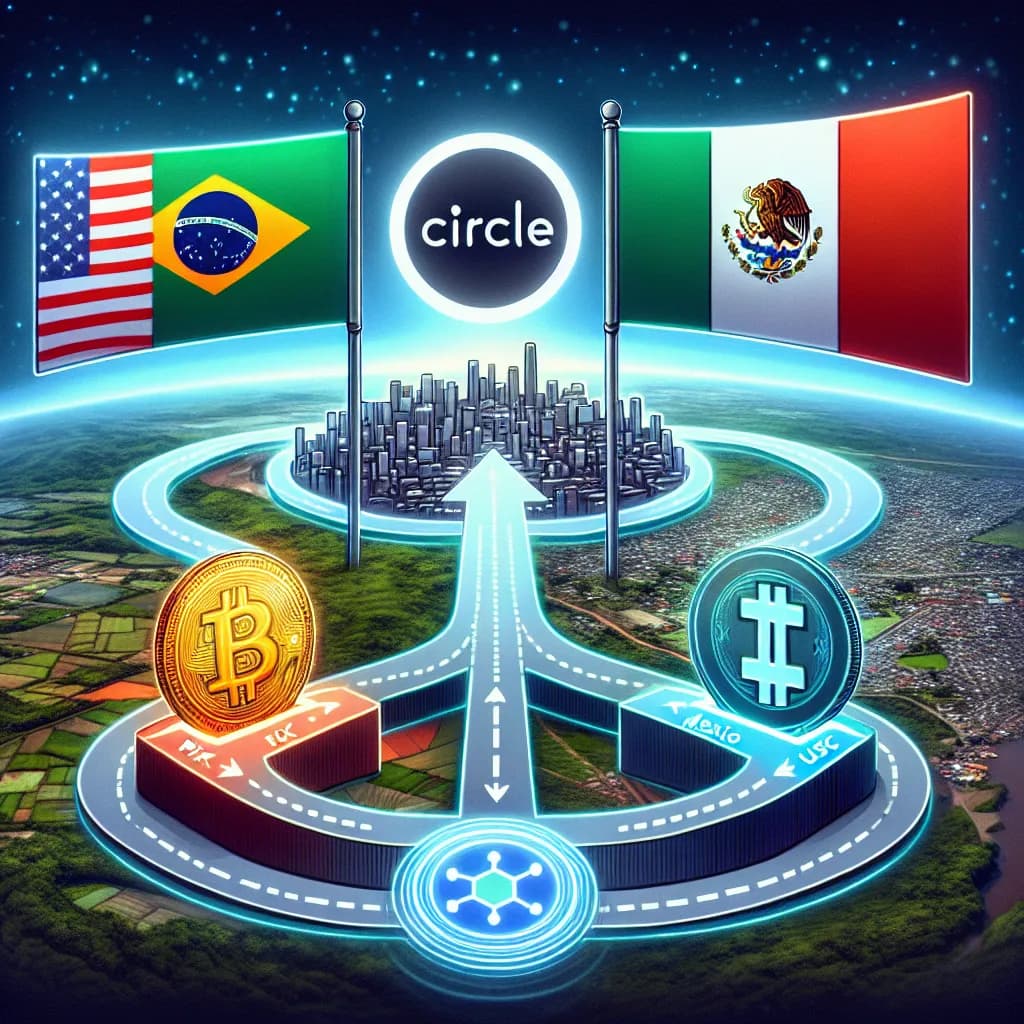
In a pivotal move reinforcing the growing relevance of stablecoins in global finance, Circle has announced new integrations of its USDC stablecoin with local payment solutions in both Brazil and Mexico. This innovative expansion allows USDC, the second-largest stablecoin by market capitalization, to be directly utilized by businesses and individuals in these Latin American nations through their familiar financial infrastructures.
The Significance of Local Integration with PIX and SPEI
One of the major developments in this expansion is the integration of USDC with PIX, the digital payment system launched by the Central Bank of Brazil in 2020. With nearly 160 million users, PIX has emerged as a cornerstone of digital finance in Brazil, streamlining transactions and making them more accessible than ever before. The ability to transact with USDC through this platform marks an essential bridge between traditional finance and the burgeoning world of cryptocurrency.
In Mexico, Circle is similarly integrating USDC with SPEI, the real-time interbank payment system regulated by the Bank of Mexico. This move is particularly strategic as stablecoins are gaining traction in emerging markets, providing smooth and quick financial transactions for everyday activities such as savings, currency conversion, and cross-border payments.
Why Stablecoins are Gaining Popularity in Latin America
A recent report by Castle Island Ventures and Brevan Howard highlights a trend that is hard to ignore: users in Latin American countries, particularly Brazil and Mexico, are increasingly turning to stablecoins. This surge is driven primarily by economic instability, inflation, and the lack of reliable banking services, prompting citizens to seek alternatives for financial security. Stablecoins, as pegged digital currencies, offer a safer haven for savings compared to volatile local currencies.
Circle's integration of USDC into local payment systems is not only a response to this shifting tide but also a proactive strategy to cater to the growing consumer demand for flexible, stable transactions in daily financial activities.
Competition on the Rise: Enter Tether
Circle is not alone in recognizing the potential of Latin America as a fertile ground for stablecoin expansion. Tether, the main competitor and issuer of USDT, has also been making significant strides in the region. Last year, Tether partnered with SmartPay to allow USDT to be converted to Brazilian reals seamlessly. Additionally, Tether introduced MXNT, a stablecoin pegged to the Mexican peso, solidifying their presence and competitive edge within the market.
This increasing competition among stablecoin issuers is indicative of a robust growth opportunity within the Latin American territory, prompting both innovation and strategic partnerships to capture the attention of local users.
Local Initiatives Driving the Demand for Stablecoins
The interest in stablecoins across Latin America is further augmented by local initiatives. For instance, Mercado Pago, the digital banking subsidiary of Mercado Libre, Latin America's largest e-commerce platform, recently announced the launch of its own U.S. dollar-pegged stablecoin called Meli Dollar. This development emphasizes the rising trend of digital currencies in the region and the necessity for established financial institutions to adapt to this evolving landscape.
As companies like Circle and Mercado Pago strive to make stablecoins more accessible and usable for the average consumer, it paves the way for potentially transformative experiences in the daily financial interactions of millions.
The Future of Stablecoins in Emerging Markets
Circle's integration of USDC with Brazil's PIX and Mexico's SPEI epitomizes a broader shift whereby emerging market economies embrace the innovation provided by cryptocurrency. This expansion not only aligns with modern financial realities but also sets the groundwork for future collaborations and enhancements in digital finance.
In summary, the developments witnessed in Latin America denote a growing inclination towards adopting digital assets as part of mainstream finance. As more users and businesses integrate stablecoins into their financial activities, the potential for innovation and expansion in this space becomes apparent.
As the industry continues to evolve, it will be essential for both established players and new entrants to recognize and respond to the changing dynamics of consumer needs in Latin America. The burgeoning digital finance landscape promises to offer unprecedented opportunities and challenges alike, as Circle and its competitors capitalize on the increasing demand for stablecoins.
With financial institutions stirring toward technology-driven solutions, it is reasonable to predict that this integration is just the beginning of a digital currency revolution across Latin America, pushing the boundaries of what is possible in financial transactions and paving the way for a more inclusive financial future.