



16 Years of Bitcoin: A Digital Revolution
On October 31, 2008, a momentous event occurred in the realm of technology and finance: Satoshi Nakamoto shared the Bitcoin white paper titled “Bitcoin: A Peer-to-Peer Electronic Cash System” with a cryptography mailing list. This document laid out a vision for a decentralized, peer-to-peer network that could process transactions without the need for a trusted intermediary, solving the double-spending problem through a proof-of-work consensus mechanism.
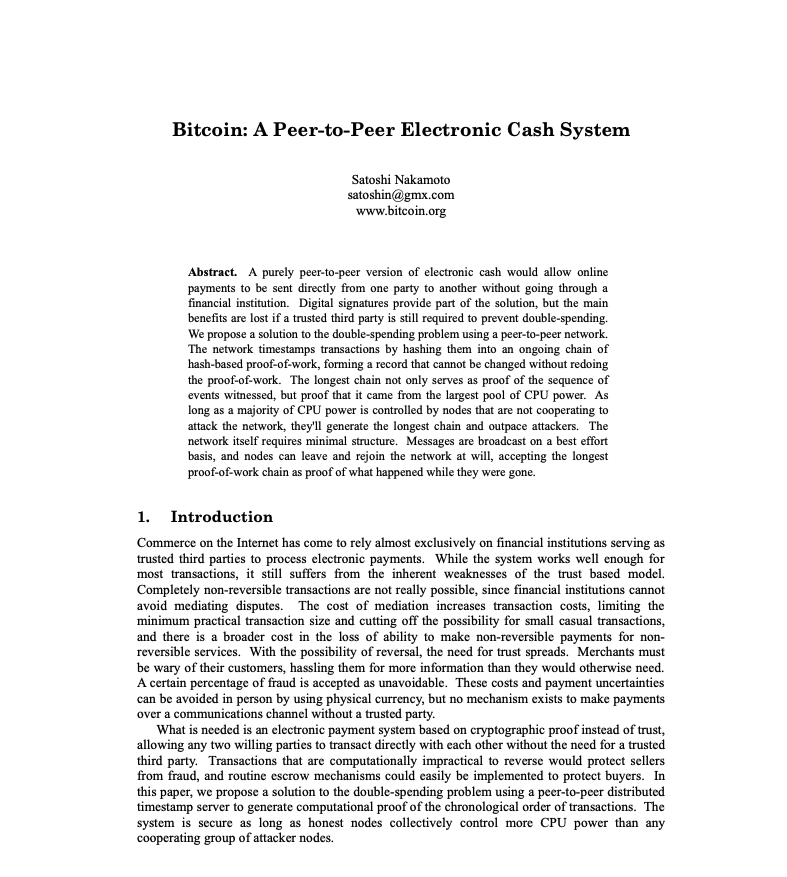
Just three months later, in January 2009, Nakamoto mined Bitcoin’s first block, known as the genesis block, rewarding the miner with 50 Bitcoin. Fast forward to today, the value of that vision has transformed into what we now know as the world’s largest cryptocurrency network with a staggering market value of over $1.42 trillion, making Bitcoin the 10th largest asset globally according to CompaniesMarketCap.
Bitcoin's Price Surge on its 16th Anniversary
As we approached the anniversary of the Bitcoin white paper, excitement reverberated through the markets. Bitcoin’s price surged to a seven-month high of over $73,600, coming strikingly close to a new all-time high. Analysts speculate that we may witness this milestone shortly after the U.S. presidential election, sending both media and investors into a speculative mode about Bitcoin's next big wave.
From Niche Experiment to “Digital Gold”
Since its inception, Bitcoin has seen an astonishing evolution from a niche digital experiment to a global asset class with significant institutional interest.
Mithil Thakore, co-founder and CEO of Velar, articulated this transformation in an exclusive interview, stating:
“Bitcoin has evolved from a niche digital experiment to a global asset class that rivals traditional stores of value like gold.”
Unlike gold, which took millennia to establish its value, Bitcoin’s ascent has been meteoric, stirring institutional debates and regulatory scrutiny in just 16 years. The increasing role of Bitcoin as a store of value—much like gold—has made it a critical asset in institutional portfolios.
Key Factors in Bitcoin’s Growth
- Institutional Adoption: Notable firms and institutions are increasingly adding Bitcoin to their balance sheets as a hedge against inflation.
- Investor Confidence: As awareness grows, so does confidence in Bitcoin as a sustainable asset.
- Integration with Financial Markets: Bitcoin has witnessed greater integration into traditional financial markets, paving the way for products like Bitcoin ETFs.
The Rise of Bitcoin ETFs
This shift was significantly highlighted when the world’s largest asset manager, BlackRock, reported surpassing $30 billion in Bitcoin holdings through its spot Bitcoin exchange-traded fund (ETF) as of October 30. This emergence of Bitcoin ETFs marks Bitcoin's transformation from a digital currency to an integral component of modern financial portfolios.
For a deeper understanding of how ETFs are changing the landscape for cryptocurrencies, check out our related article on Bitcoin ETFs.
Bitcoin as a Means of Financial Freedom
In recent discussions, Paolo Ardoino, the CEO of Tether and a prominent Bitcoiner, emphasized the current social dynamics surrounding financial literacy and access to cryptocurrencies. He stated,
“I believe that Bitcoin is the best currency in the world, but not everyone is ready yet.”
Ardoino acknowledged that a significant portion of the population grapples with everyday struggles and may not have the bandwidth to explore Bitcoin deeply. To bridge this gap, Ardoino believes that stablecoins, like USDt, serve as a valuable entry point, easing the transition into the broader world of cryptocurrencies.
The Impact of Inflation
- Alternative to Fiat Currency: Bitcoin provides a hedge against inflation, proving to be an asset of choice amidst economic volatility and inflationary pressures on traditional fiat currencies.
- Financial Inclusion: As Ardoino points out, Bitcoin may hold an essential role as an option for financial freedom within an unstable economic landscape—an enticing prospect for individuals seeking alternatives to traditional banking systems.
The Future of Bitcoin
As Bitcoin celebrates 16 years since its inception, its trajectory appears poised for continued growth. Key areas of interest include:
- Regulatory Developments: The ongoing discussions surrounding cryptocurrency legislation will shape the future landscape for Bitcoin.
- Technological Innovations: Advancements in blockchain technology may enhance Bitcoin’s functionality and appeal.
- Sustained Institutional Interest: As more institutions integrate Bitcoin into their strategies, confidence and value are likely to rise further.
Conclusion
Sixteen years have passed since Satoshi Nakamoto's pioneering work. Bitcoin has proven to be more than a speculative asset; it has redefined the very nature of value transfer and has positioned itself as a critical player in global finance. As we stand at the threshold of what comes next, it is clear that Bitcoin is not just a fleeting digital currency but a transformative financial revolution that is only beginning.
For those interested in more insights into Bitcoin’s market behavior and predictions, be sure to check out our article on Bitcoin's market fluctuations.