


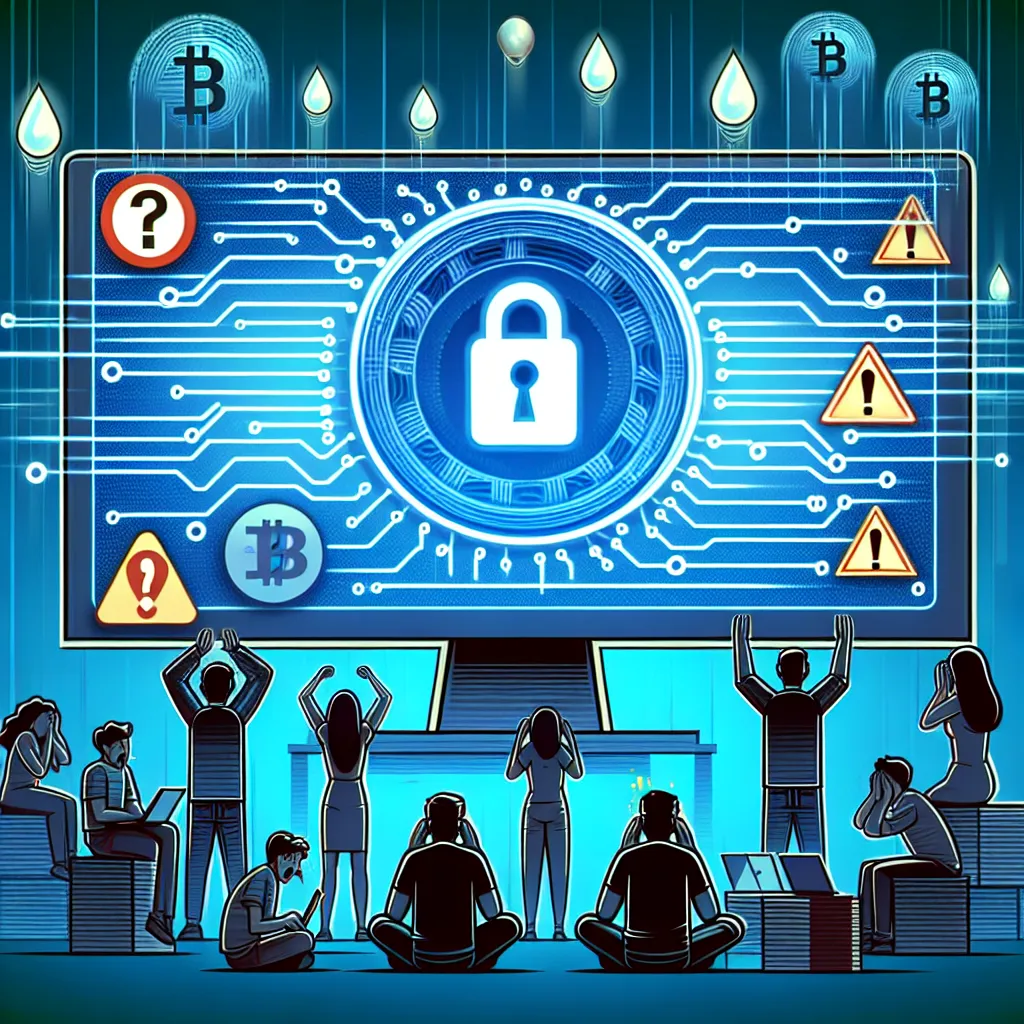
BingX Security Breach: Understanding the Minor Asset…
The world of cryptocurrency is often a tumultuous landscape, filled with ups and downs that keep investors and enthusiasts on their toes. Recently, Singapore-based virtual currency exchange BingX became part of this narrative as it confirmed a security breach, leading to what is described as a 'minor asset loss.' This incident triggered immediate emergency procedures, withdrawal suspensions, and a wave of reactions from the community. Let's break down the timeline of the event, the measures taken, and the broader implications for the crypto industry.
Incident Overview
In the early hours of September 20, BingX's technical team detected suspicious outflows from one of its hot wallets at around 4 am Singapore time. Vivien Lin, the Chief Product Officer, promptly addressed the situation, indicating that the exchange’s security measures had been activated, resulting in the freezing of all withdrawals to protect user assets.
Key Points of the Breach:
- Detection: Abnormal network access was noted, prompting immediate investigation.
- Hot Wallets: BingX keeps a minimum amount of cryptocurrencies in hot wallets for operational purposes, which emphasizes their security-first approach.
- Asset Loss: While Lin stated the asset loss was “small,” estimates from various sources showed a wide range of potential losses—from $13.5 million reported by PeckShield to about $26 million estimated by Lookonchain.
Immediate Response
Following the breach, BingX took several proactive measures:
- Freezing Withdrawals: To mitigate any further losses, all withdrawals were suspended until the situation was assessed and secured.
- Emergency Inspection: The exchange initiated an emergency inspection of its wallet services, aiming to pinpoint vulnerabilities and bolster its defenses.
- Asset Transfers: The technical team conducted urgent asset transfers to minimize the impact of the unauthorized access.
- Full Compensation Promise: BingX assured users that all losses due to the incident would be compensated in full, emphasizing their commitment to user safety.
Vivien Lin’s Assurance
Lin reiterated that user assets were currently safe and emphasized that the incident would not significantly impact BingX's operations. This statement was aimed at reassuring users about the exchange's reliability and long-term vision, despite the current crisis.
Community Reaction and Critiques
The response from the crypto community was not uniformly supportive. Some users expressed frustration over the lack of transparency surrounding the incident. Notably, Harrison Leggio, co-founder of the crypto startup g8keep, criticized BingX for initially labeling the situation as 'wallet maintenance,' which he felt misled users about the severity of the breach.
Points of Criticism:
- Transparency Issues: Many users believe that exchanges should provide timely and clear communication during security incidents to foster trust.
- Security Practices: Questions arise about the practices surrounding asset management in exchanges. Keeping significant amounts of assets in hot wallets can amplify risks during breaches.
Analyzing The On-Chain Data
An analysis of on-chain transactions proved insightful. According to data from EtherScan, a wallet flagged by PeckShield was identified as receiving millions in various tokens from one of BingX's hot wallets—specifically labeled 'BingX 15.' As of the latest observations, this wallet holds more than $9.5 million in cryptocurrency across nine blockchains, indicating ongoing concerns over the security of the wallet infrastructures.
Implications of On-Chain Findings:
- The presence of substantial funds in flagged wallets raises questions about the efficiency of monitoring systems employed by exchanges.
- Cybersecurity Measures: This incident highlights the necessity for exchanges to constantly evolve their cybersecurity protocols to combat increasing threats from hackers.
Moving Forward: What Lies Ahead for BingX
Despite this troubling incident, BingX remains committed to restoring user confidence and enhancing security measures. The exchange indicated plans to:
- Reassess Security Protocols: Post-breach, revisions to existing security frameworks, risk management strategies, and operational policies are essential.
- Customer Support Initiatives: Providing timely support and transparent communication with users will be crucial to rebuilding trust within the community in the aftermath of such incidents.
- Re-engagement with Community: BingX could benefit from proactive engagement and educational campaigns regarding security best practices in the crypto space.
Future Considerations for Exchanges
BingX's experience serves as a reminder that security vulnerabilities can impact even well-established platforms. The crypto community should consider a few broader implications:
- Regulatory Environment: As exchanges face such challenges, the need for clear regulations surrounding security practices and user asset protection becomes paramount.
- Technology Investments: Investments in robust cybersecurity frameworks will determine the future resilience of digital asset platforms in a landscape filled with threats.
- User Education: Users need considerable knowledge regarding crypto exchanges' operations and recommended practices to better safeguard their investments.
Conclusion
The BingX security breach serves as a critical learning opportunity for both the company and the broader crypto community. While the immediate financial loss appears limited, the overarching implications for transparency, trust, and security practices are profound. Moving forward, a collaborative effort among exchanges, regulatory bodies, and users is essential to foster a secure and trustworthy environment for cryptocurrency trading. As BingX navigates through this situation, stakeholders will be closely watching how the exchange adapts and improves its practices to prevent future incidents.
Ensuring the security of assets must remain at the forefront of any exchange's strategy—only then can they reclaim the trust and confidence of their users in an increasingly scrutinized industry.